
Technology
RAG and Knowledge Systems
How agents consult policies, master data and history before they decide, with every source traceable.
The concept
Grounded before it answers
A language model on its own answers from what it absorbed in training. It has never seen your payment terms, your vendor master or the approval matrix finance signed off last quarter. Retrieval-augmented generation closes that gap at the moment of use. The system fetches the passages and records that bear on the case, hands them to the model together with the question, and the model works from those instead of from memory.
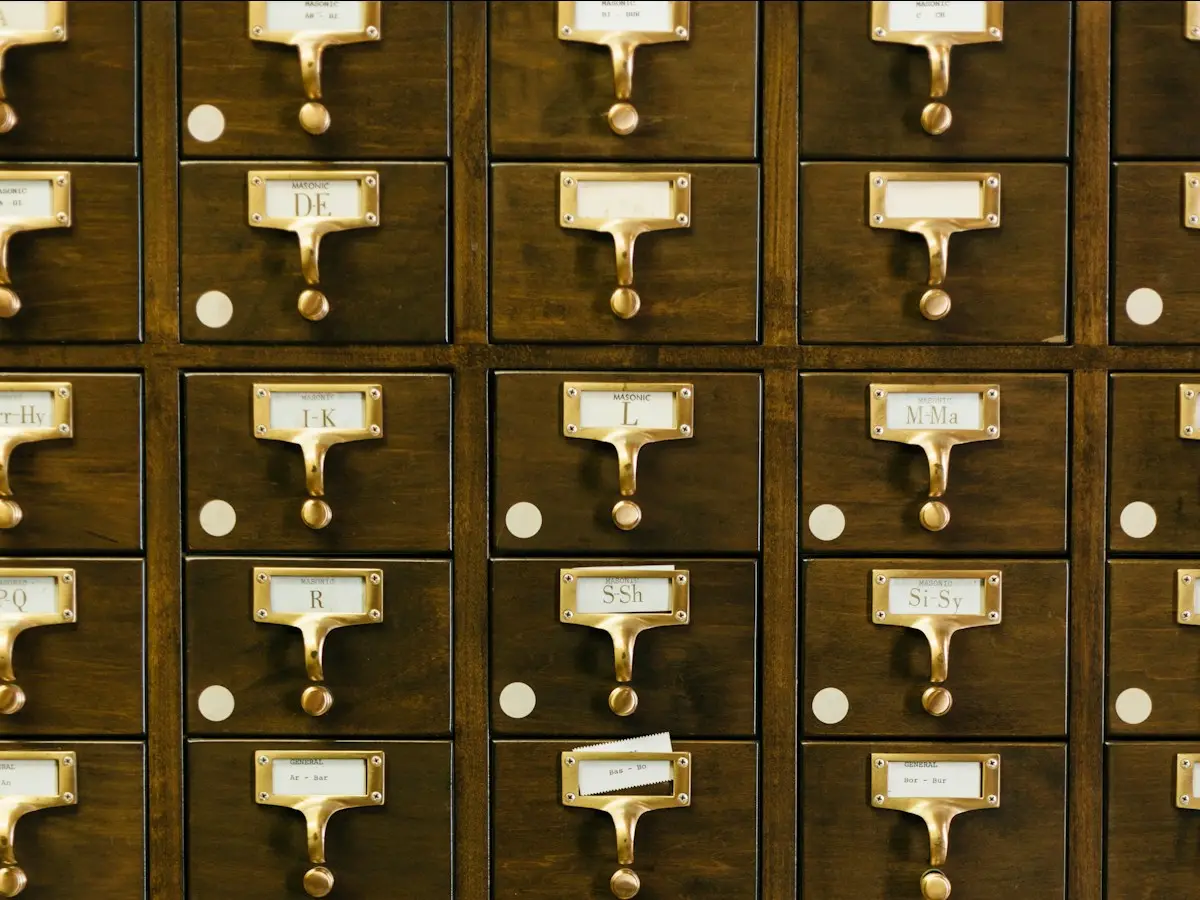
The knowledge system is the part that makes retrieval dependable. It holds your policies, contracts, master data and history in a form that can be searched by meaning as well as by key, keeps each item tied to its source and version, and applies the same access rules the source carries. Retrieval without that discipline is a search box with a model behind it.
Two things follow. Your documents are not used to train the model; they are read at run time and cited. And an answer can be checked, because the output names the clause, the master record or the prior invoice it relied on. For a CIO that is the difference between a model you have to trust and one you can audit.
Where it sits
Retrieval in the five stages
PTAS AI systems run as Perception, Intelligence, Orchestration, Action and Verification. Retrieval belongs to one of them and touches two others.
In the products
What gets retrieved inside DocPro and FinSuite
DocPro retrieves to read documents correctly. FinSuite retrieves to judge them against what you agreed.
DocPro
Vendor and item resolution
A name on an invoice is matched to the vendor master, and a line description to the item master, before a code is assigned. The candidate records are retrieved, not guessed.
DocPro
Extraction instructions
Custom document agents carry your instructions per vendor or document type, for example where one supplier prints the PO reference. The agent retrieves the instruction that applies to the document in front of it.
DocPro
Prior documents
Earlier invoices from the same vendor are retrieved to spot layout drift and to feed the duplicate check with the actual prior submission rather than a hash.
FinSuite
Contract terms
Agreed rates, payment terms and tolerance clauses are pulled from the contract on file, so a price variance is judged against what was signed.
FinSuite
Policy and approval matrix
Which band an invoice falls in, who approves for this entity and cost centre, and the exception policy that applies, retrieved as the current version.
FinSuite
Resolved exceptions
How a similar exception was closed before, with the reviewer's note, is retrieved and shown so the same question is not worked from scratch.
Worked example
Every check names its source
Vendor onboarding is retrieval under another name. Each check below is a lookup against a record, external or yours, and the record is what gets stored with the verdict.
Northgate Logistics — onboarding result · Illustrative example
Looked up, not declared
Registration and bank details are checked against the registry and the bank response, not the form the vendor filled in.
Checked against your master
The duplicate scan reads your existing vendor records, so a second account for the same tax ID is caught.
Source on the record
What was consulted, and when, stays with the result for the next reviewer.
Limits and controls
What retrieval cannot do
Retrieval finds what exists. If a policy was never written down, or lives in someone's inbox, the agent cannot read it and should not pretend to. If two versions of a contract are in the store, retrieval surfaces both, and the decision waits for a person. Retrieval also does not replace master data management. A vendor master with duplicate records produces duplicate candidates, and the agent says so rather than picking one.
The controls are built around those limits.
No source, no decision
An output with no retrievable source behind it is routed to review with the gap named, rather than passed through on the model's general knowledge.
Permissions travel with the document
A contract restricted to one finance group is retrievable for agents acting on that group's work and for nobody else. Access is inherited from the source, not re-granted in the index.
Versioned and refreshed
Each item carries its version and effective date. When a policy changes, the old version is retained for the record and stops being retrieved for new work.
Retrieval is logged
The decision record stores which passages were retrieved and which were used, so an audit question gets the same evidence the agent had.
FAQ
Questions Teams Ask
Does retrieval-augmented generation mean our documents train the model?
No. Your policies, contracts and master data are indexed and read at the moment a decision is made. They do not change the model's weights. The model is the reader, your documents are the text, and the output names which text it used. If a model is ever to be tuned on your data, that happens as a separate agreed piece of work, not as a side effect of running the workflow.
What happens when the policy an agent needs is not in the knowledge base?
The agent reports the gap and the item is routed to review with the missing policy named. It does not fill the gap from general training. In practice the early weeks of a rollout surface a handful of unwritten rules this way, and writing them down is part of the work.
How do we keep retrieved content current when a contract or rate changes?
Every item in the store carries a version and an effective date. A new version is added, the old one stays for history and is no longer retrieved for new work. Contract and master data changes usually arrive from the system that owns them, through an integration or a scheduled refresh agreed during assessment, so the store is not a second copy someone has to remember to update.
Can a reviewer see which source the agent used?
Yes. The decision record lists the passages that were retrieved, which of them the model used, and the version of each. A reviewer opens the same clause the agent read. That is also how a wrong answer gets diagnosed: either the right source was missing, or it was present and misread, and the fix is different in each case.
Keep reading
Related Capabilities
Agentic AI Architecture
How retrieved facts feed the observe, reason, act and verify loop.
Read more →Business Rules
Retrieval supplies the facts. Deterministic rules decide what follows from them.
Read more →Custom Document Agents
Agents that carry your extraction instructions per vendor and document type.
Read more →Vendor Management Automation
The onboarding checks shown on this page, run as a workflow.
Read more →Next step
Ground the first workflow in your own documents
Pick a process where decisions depend on contracts, policies or master data. We will map which sources an agent needs to read and how they stay current.